


Movie art
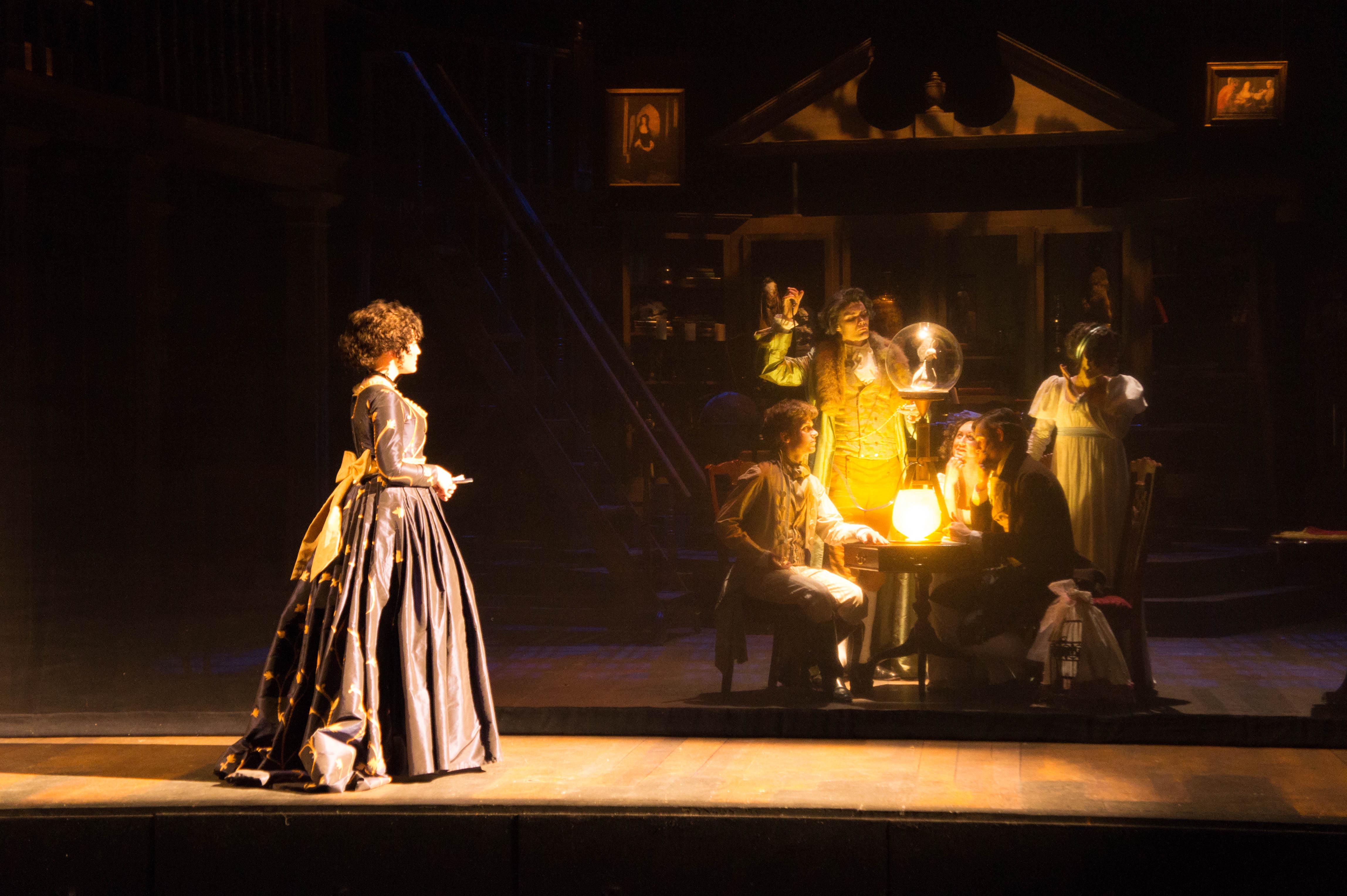
Yet it is often assumed that the theatrical experience can be assimilated by reading the text of a play. In part, this is a result of the influence of theatrical critics, who, as writers, tend to have a literary orientation https://cherokeeroseenvironmental.com/blog/slots-empire-casino-no-deposit-bonus-codes/. Their influence is magnified by the fact that it is difficult to make serious theatre widely available; for each person who sees an important production in a theatre, thousands of others will know it only through the notices of critics. While reviewers in the mainstream press may give greater credence to such elements as acting and dancing, critics in the more serious journals may be more interested in textual and thematic values. Such influences vary from country to country, of course. In New York City a critic for one newspaper, such as The New York Times, may determine the fate and historical record of a production, assuring it a successful run or forcing it to close overnight. In London, however, audiences have notoriously resisted the will of the critics.
In contrast to short stories or novels where readers often have to wait for a character’s introduction to discern their significance, plays typically present characters prominently and early on. The character list is usually found in the initial pages of the play because, prioritizing action over narration, actors need to familiarize themselves with their roles.
Gentileschi’s Judith and Holofernes is perhaps one of the strongest representations of theatrical climax within Baroque painting. Utilizing Caravaggian tenebrism and chiaroscuro on the figures, Gentileschi implies a powerful sense of dramatic stage lighting, as well as urgent, swift movement. The scene itself has an almost Shakespearian vibe to its violence, bearing strong tonal resemblance to the assassination of Caesar. Indeed, the Apocryphal story of Judith beheading the Assyrian Holofernes was memorable for both its religious relevance and its purely compelling nature as a narrative, and Gentileschi communicates the drama of the entire ordeal in spades through the implied choreography of her actors, as well as her choice of environmental tone and design. One of the reasons this piece stands out is because it seems very literally “staged”, with the dark black background being strongly reminiscent of a black curtain in a theater. Tenebrism in painting is not so different from the backdrop of a stage, and, especially in this case, serves to create an almost identical effect.
The pictorial motifs contained in the paintings at the Theatermuseum refer to the world of the theatre. Around six hundred portraits, character and scene pictures done in various techniques bear witness to the fascination that theatre has exercised over such visual artists as Alfred Hrdlicka and Anton Kolig.In contrast to the collection of hand sketches, which contains primarily stage and costume designs, only a few of these pictures were conceived as part of a specific theatre production. The lion’s share serves first and foremost to commemorate famous artistic personalities and their roles.
Retro graphic
Retro design isn’t always a hit with everyone. Some people may not connect with the nostalgic vibe or might find it too outdated for their tastes. This can lead to confusion or a sense of disconnection, especially for those who prefer more modern, sleek, or minimalist aesthetics.
The 60s is known as the modern decade that experimented with bright colors, LSD-inspired psychedelia, and fluid patterns. This time is seen as a turning point for graphic design. Visual communication took a very different approach from the earthy tones that dominated the 50s, transitioning to vivid neons. Here are the 1960s trends that are making a comeback.
Things that were popular in the past trended for a reason, and there’s no reason why they can’t be popular now. Retro design, even if somewhat muddled and widespread, can be just as effective and appealing now as it was back then.

Retro design isn’t always a hit with everyone. Some people may not connect with the nostalgic vibe or might find it too outdated for their tastes. This can lead to confusion or a sense of disconnection, especially for those who prefer more modern, sleek, or minimalist aesthetics.
The 60s is known as the modern decade that experimented with bright colors, LSD-inspired psychedelia, and fluid patterns. This time is seen as a turning point for graphic design. Visual communication took a very different approach from the earthy tones that dominated the 50s, transitioning to vivid neons. Here are the 1960s trends that are making a comeback.
Original art
ArtMajeur is the best shop to find original artwork from contemporary artists and art galleries around the globe! You can find a collection of the right style for you, regardless of your budget, with a variety of sizes and prices. All arts are represented, much like in a real life venue, a museum or an artist studio, except that the choice is unlimited. You can view a beautiful stylish portrait painting or drawing, a black and white photography, an abstract painting, a large modern sculpture for your garden or any other work of your liking. Millions of works of art are available for you to explore using our intelligent filters, and you will love our expert curated selections!
At ArtPal, we feature a diverse selection of artists and art galleries, so you can find your unique style throughout the online store. The offerings encompass a wide range of art forms, such as fine art prints, original art, canvas prints, abstract paintings, oil paintings, giclées, limited editions, photography, drawings & illustrations, digital art & AI art, mixed media art, metal art, and more. Whether you’re enhancing your home, or business, or professional workspace, you’ll finally find the wall art that you’ve been searching for.
Of course ArtMajeur is mostly an art shop, as artists need to showcase and sell their art, but apart from the sale, we do love all arts, and certainly hope the platform we created reflects just that. Our art marketplace is not limited to view artworks and exclusive collections. We want it to be a place where art culture lives: the art shop is bound to a cultural space where one can also browse art fairs, explore hist favourite artist exhibit, learn about the latest art news and events and exhibitions. For those who enjoy going to the museum, contemporary art galleries, or even learn about arts at the library, our art blog provides useful tips to collect and buy modern art, gives you a better understanding artistic movements with portraits of famous artists and iconic works. Also with a glimpse of art history, we talk about both ancient famous arts and the most important works of the century. ArtMajeur is not only an art shop but also a vibrant art community where creative people who create, make and fabric the arts, including art major students (art schools, university and college student) can talk about the sale of artworks in their art shop. They can meet art lovers, art critics and people from the art market to talk about culture, enquire about a major exhibition and exchange about arts.
A redirection has been made from YourArt to ArtMajeur, as the two platforms have merged. All content, artworks, and artist spaces are now available here. You can continue browsing on ArtMajeur, the largest online art platform in the world.